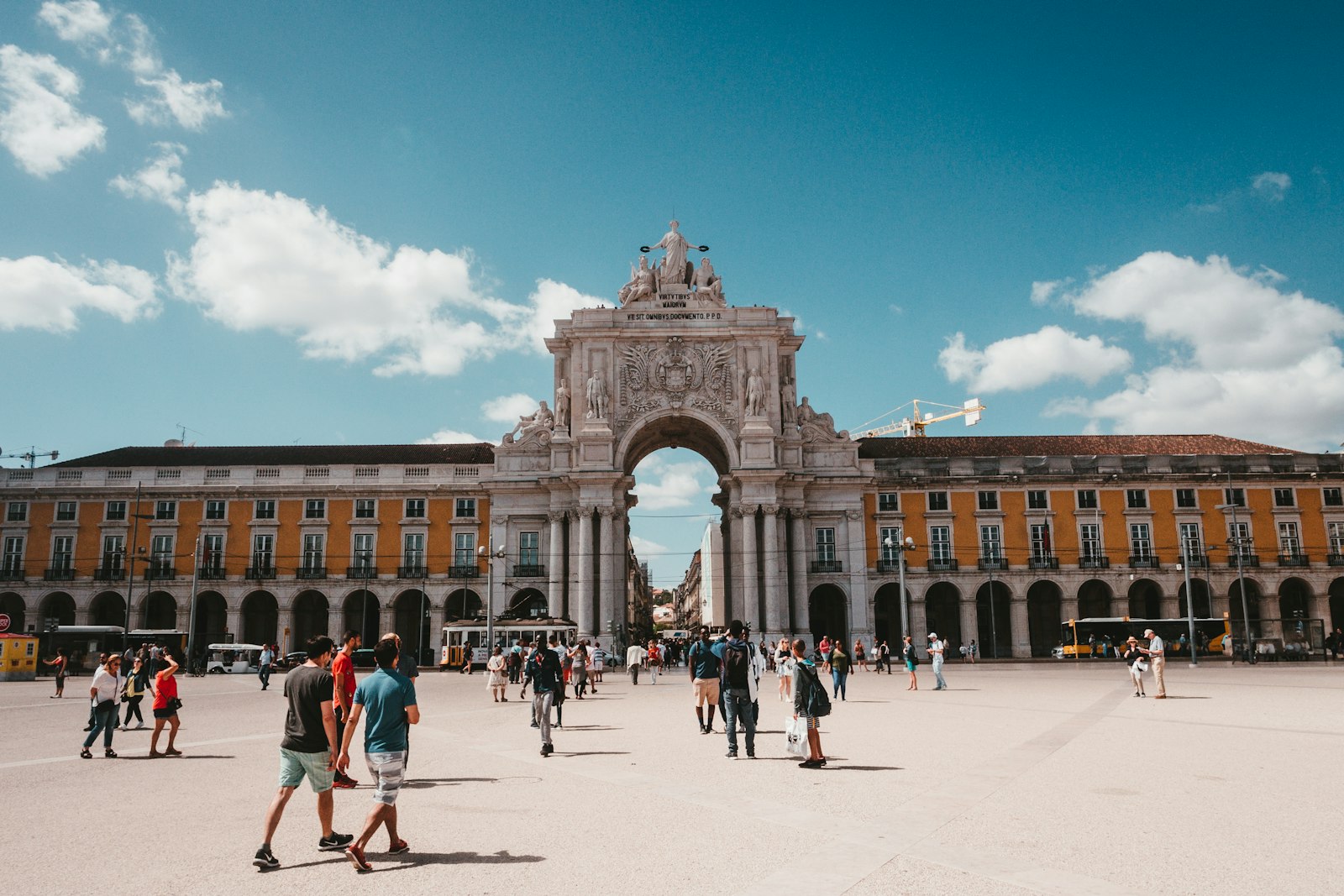
Why Lisbon, Why Now
There is a version of Lisbon that tourists see — the trams, the pastéis de nata, the Instagram viewpoints — and there is a version that luxury travelers discover when they look past it. A city of extraordinary light, seven hills with distinct personalities, a food scene that has quietly reached world-class status, and a hotel landscape that now includes some of the most beautifully restored properties in Europe. Unlike Paris or Rome, it has not yet traded its soul for mass tourism. That will not last forever.
When to Go
May, June, and September are the sweet spots. The light is extraordinary in all three months, temperatures are comfortable rather than punishing, and the city has not yet reached its July–August capacity. If you must go in summer, book early and build midday rest into your itinerary — Lisbon in August heat requires it. October is increasingly underrated: the tourists have gone, the weather is still reliably warm, and the light turns golden in a way that explains why so many painters have based themselves here.
Where to Stay
Bairro Alto Hotel remains the benchmark — a meticulously restored 18th-century palace in the heart of the city with a rooftop terrace that earns its reputation. The rooms are smaller than the price suggests, so request a suite facing the river if budget allows. For something more modern, the Verride Palácio Santa Catarina is a nine-suite property in a converted palace where the staff-to-guest ratio borders on absurd. If you want the full Lisbon manor experience, Palácio Ramalhete in Santos offers a private garden and the sense that you are a house guest rather than a hotel occupant. For those who prefer a contemporary aesthetic, Mondrian Lisbon near the waterfront delivers with a strong pool and excellent bar program.
Where to Eat
Lisbon's restaurant scene has shifted dramatically in the last five years. Alma, helmed by Henrique Sá Pessoa, is arguably the finest expression of modern Portuguese cuisine in the country — the tasting menu here is not to be missed if you have one serious dinner in the budget. For something more casual but still exceptional, A Cevicheria does things with seafood that bear no resemblance to the conservative approach historically associated with Portuguese cooking. Solar dos Presuntos is the place for the classic Lisbon experience done properly — roasted suckling pig, razor clams, all the Portuguese wines the list runs deep on. For a lunch that costs almost nothing and tastes like you paid a great deal, find a neighborhood tasca in Mouraria and order whatever is written on the chalkboard.
What to Do Beyond the Obvious
The tram and the viewpoints are worth doing once. After that, the interesting Lisbon begins. Take the ferry to Cacilhas for the single best view of the city at the cost of a coffee. Hire a private guide for a morning in the National Tile Museum — azulejo is one of Portugal's great art forms and it deserves more than a rushed hour. Drive to Sintra (45 minutes) for a morning rather than a full day — the palace and the grounds are spectacular, the afternoon crowds are not. For something genuinely unexpected, book a private wine tasting at one of the Setúbal Peninsula quintas producing Moscatel de Setúbal — these are extraordinary fortified wines almost unknown outside Portugal, and the estates will often host small private visits by arrangement.
Getting There
TAP Air Portugal flies direct from most major US cities and throughout Europe. The business class product has improved significantly and fares are competitive when booked in advance. From London it is a two-hour flight — easy enough to justify the short hop in premium economy. Lisbon airport sits within the city rather than outside it, so transfer times are short.
What It Will Cost
Lisbon remains meaningfully less expensive than London, Paris, or Amsterdam at the luxury end. A suite at a top hotel runs €400–800 per night rather than the €800–1,500 you would pay in equivalent properties elsewhere. The tasting menu at Alma is around €120 per person without wine — perhaps half what you would pay for comparable cooking in a European capital with more name recognition. Budget the trip as a luxury experience and you will be pleasantly surprised at how far the money goes.